Prologue · Introduction
How this course works
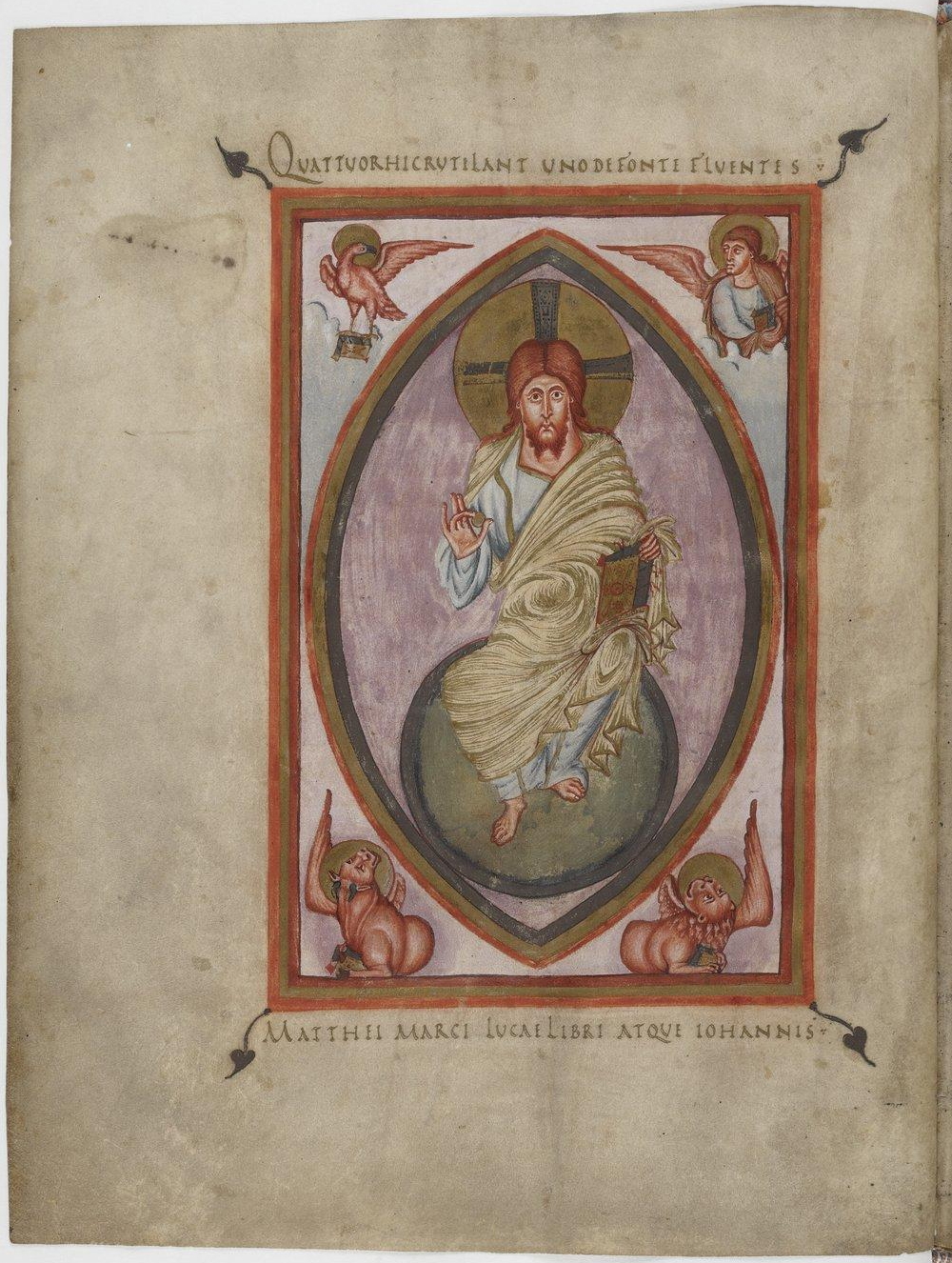 About this artwork →
Why “For All the Saints”
- The course takes its name from the hymn “For All the Saints.” William Walsham How wrote the text, and it was published in 1864. The hymn thanks God for the saints “who from their labors rest” and confesses that they and we are one fellowship in Christ. P: Hebrews 12:1–2 V1: Wikipedia, For All the Saints.
- Hebrews 12 calls the faithful who went before us a “great cloud of witnesses” around us. It tells us to look to Jesus, who is “the founder and perfecter of our faith” in verse 2. This course reads church history the same way. We look at the saints, but we look through them to Christ. P: Hebrews 12:1–2.
- A saint, in this course, is anyone whom God makes holy through faith in Christ. That includes famous martyrs and teachers. It also includes ordinary believers whose names are lost. The Augsburg Confession says we remember the saints so that we can follow their faith and good works. It also says Scripture does not teach us to pray to them, because Christ is our only mediator. P: Augsburg Confession XXI V1: Apology of the Augsburg Confession XXI.
What the course covers
- The course has 21 weeks of history, one for each century from the first to the twenty-first. This prologue comes before week 1. The century is a frame for the lesson, not a hard limit. An event that crosses a century line sits in the week where it best serves the lesson.
- Each week has three parts. The outline gives the full facts and their sources. The artwork page explains one to three works of art from the period. The presentation is the slide deck for class.
- From week 2 onward, each presentation opens with a recap of the week before. When an earlier week sets up the new one, the recap points back to it.
The six strands
- Every week follows the same six strands, in the same order. This lets the class compare one century with the next.
- Church life: what Christians believed, how they worshiped, and how they lived.
- Controversy and heresy: the arguments of the century, and the false teaching that the church rejected. Heresy (a teaching that denies an article of the faith) usually forced the church to say more clearly what it believes.
- Councils and major events: church councils (meetings of bishops to settle teaching or practice) and other turning points.
- Major people: saints, teachers, rulers, and opponents.
- Wider world: what happened outside the church. Each Wider world slide shows a map or an artwork.
- Confessional Lutheran connection: how the century compares with what Lutherans confess in the Book of Concord.
- From the sixteenth century onward, a seventh strand, Lutheran developments, follows the Lutheran church. From the seventeenth century, the course turns toward North America, beginning with New Sweden in 1638.
The focus
- Every week ties its history back to three things. The first is Christ’s person and saving work. The second is Baptism. The third is the Lord’s Supper. These are the center of the faith, so they are the center of the course.
- The course reads history through a traditional confessional Lutheran lens. The Book of Concord (the collection of Lutheran confessions published in 1580) is the standard for each judgment. P: Formula of Concord, Solid Declaration, Rule and Norm.
- The course keeps two kinds of statements apart. A historical finding says what happened, and the sources support it. A confessional judgment says how Lutherans evaluate what happened. The outline and the slides label each judgment and cite the confession behind it.
- Each doctrinal council gets a Lutheran take. Received means the Lutheran Confessions accept its teaching, for example Nicaea I. Mixed means they accept some decrees and reject others. Spurious means they reject its authority or its main teaching, for example Trent. A synod that settled only custom or discipline is not classified.
How the sources work
- Each fact in the outlines carries its sources. P marks a primary source: a text, an object, or a record from the time. V1 and V2 mark two other works that check the same fact.
- The slides keep the text short. The presenter notes and the outline carry the detail and the sources.
- The research cutoff is October 5, 2026. The twenty-first-century week stays open.
What we intend to achieve
- Know the story. By the end, the class can place the main people, councils, and events of each century in order.
- See Christ at the center. The class can show how each century’s fights and reforms touched Christ, Baptism, or the Lord’s Supper.
- Judge with care. The class can tell a historical finding from a confessional judgment, and can test a teaching against Scripture and the Book of Concord.
- Read the sources. The class can open a primary source and see what it says for itself.
- Know our place. The class sees itself in the same fellowship as the saints of every century, gathered by the same Word and Sacraments.
How a class session works
- Each session follows the slides. The presenter opens with the week’s title and a list of what is coming.
- The six strands follow, each with its own section slide.
- The confessional connection comes near the end. It gives a plain Lutheran take on the week.
- A discussion question closes each session.
- Class members can read the outline before or after class. The outline has every source link for a member who wants to read further.